Mental Wellness
August 31, 2026
8 min read
Share
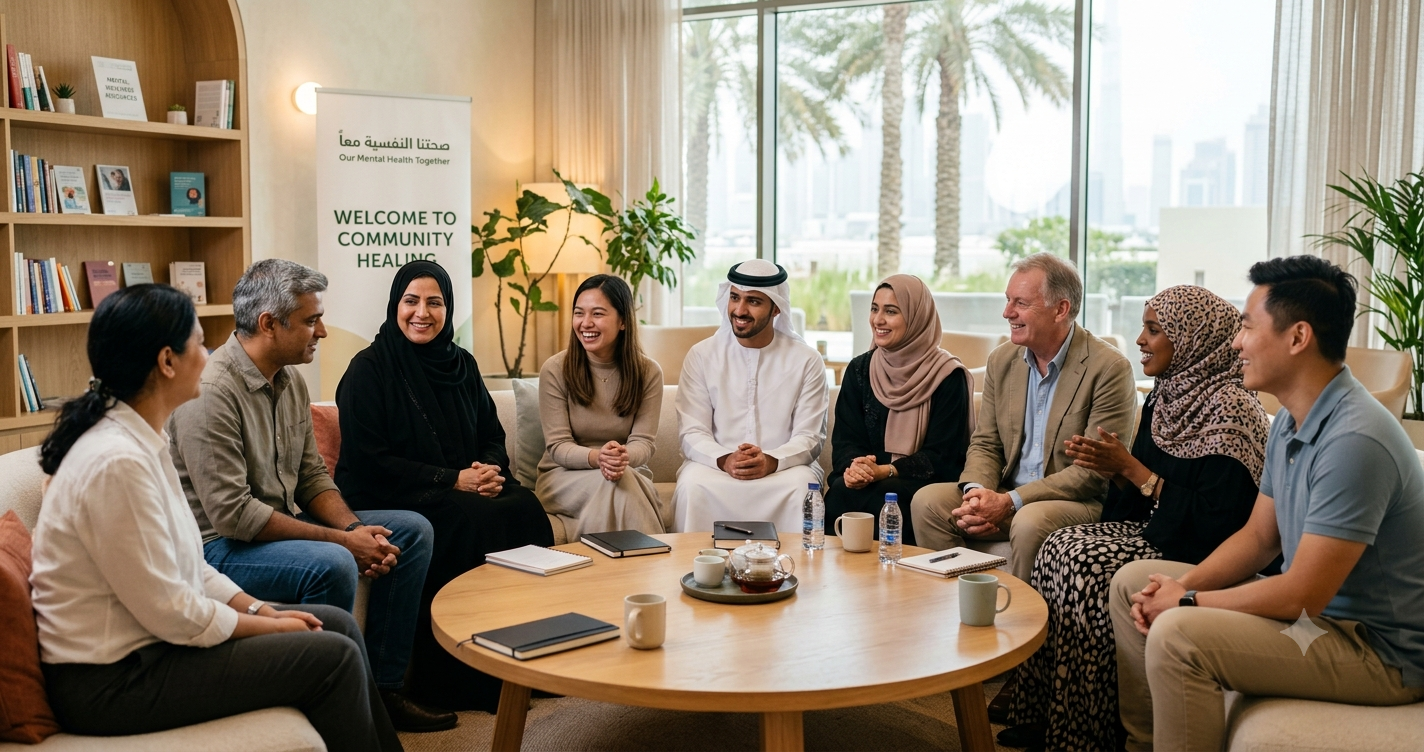
Mental health in the UAE is changing — but stigma still stops people from getting help. Here is what is shifting, what is still hard, and what actually helps in the UAE context.
Mental health awareness in the UAE is growing — but stigma still prevents many people from seeking help.
Something is changing in the UAE when it comes to mental health. The conversations that were once impossible to have publicly are beginning to happen. Employers are adding wellbeing programmes. Podcasts and social media accounts are bringing the topic into everyday life. The UAE has invested in mental health infrastructure and awareness campaigns.
And yet, for many people living and working here, asking for help still feels harder than it should.
This article is an honest look at where things stand in 2026 — what is genuinely improving, what is still difficult, and what actually helps people in the UAE get the support they need.
The UAE has made meaningful commitments to mental health in recent years, including national wellbeing initiatives and an expansion of mental health services across the public health system. A 24-hour mental health support helpline is available (800-HOPE), offered in multiple languages — worth verifying current details directly before sharing publicly.
Corporate attitudes are also shifting. Many multinational employers in the UAE now include Employee Assistance Programmes (EAPs) that give staff confidential access to counselling. The pandemic accelerated this — it made the connection between mental health and productivity impossible to ignore.
Online platforms have also lowered the barrier significantly. The ability to see a therapist or coach from your phone, in privacy, without having to explain to anyone where you are going, has made professional support accessible in a way that simply was not true five years ago.
Online access has fundamentally changed who can seek mental health support in the UAE.
Progress should not be overstated. For many communities within the UAE's extraordinarily diverse population, significant barriers remain.
One of the most significant shifts happening in the UAE is linguistic. The word "coaching" — which carries none of the clinical associations of "therapy" — has opened doors for many people who would never have walked through a therapist's office.
About the Author
Lyfvo Editorial
Lyfvo Editorial
Categories
Latest Articles